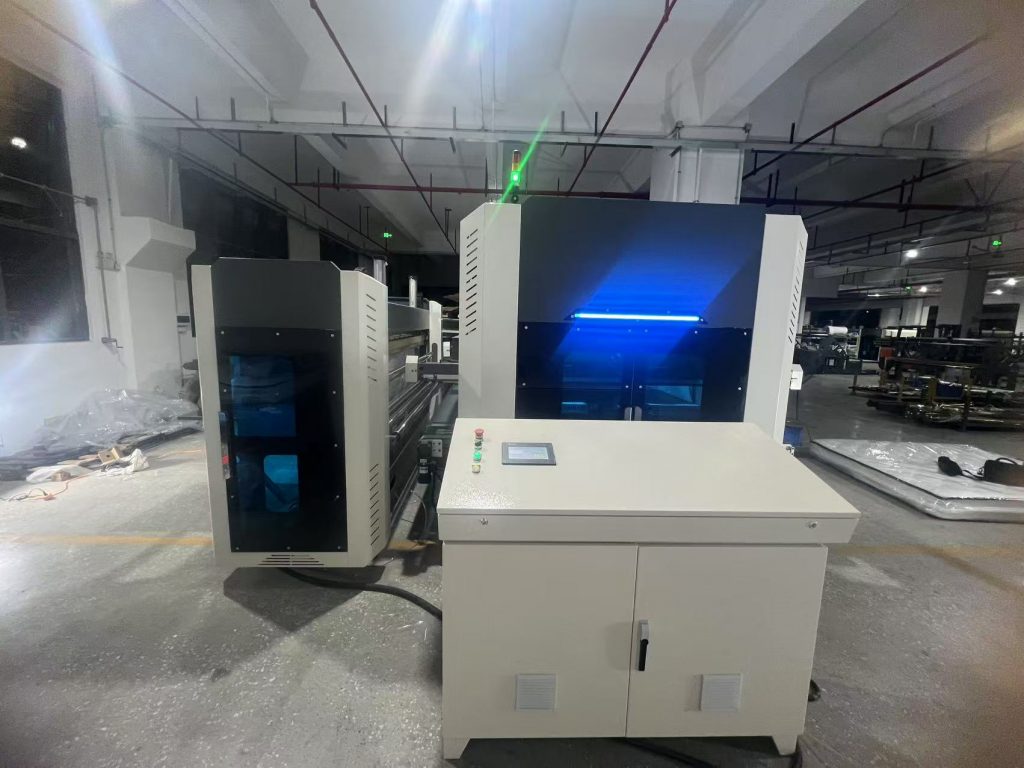
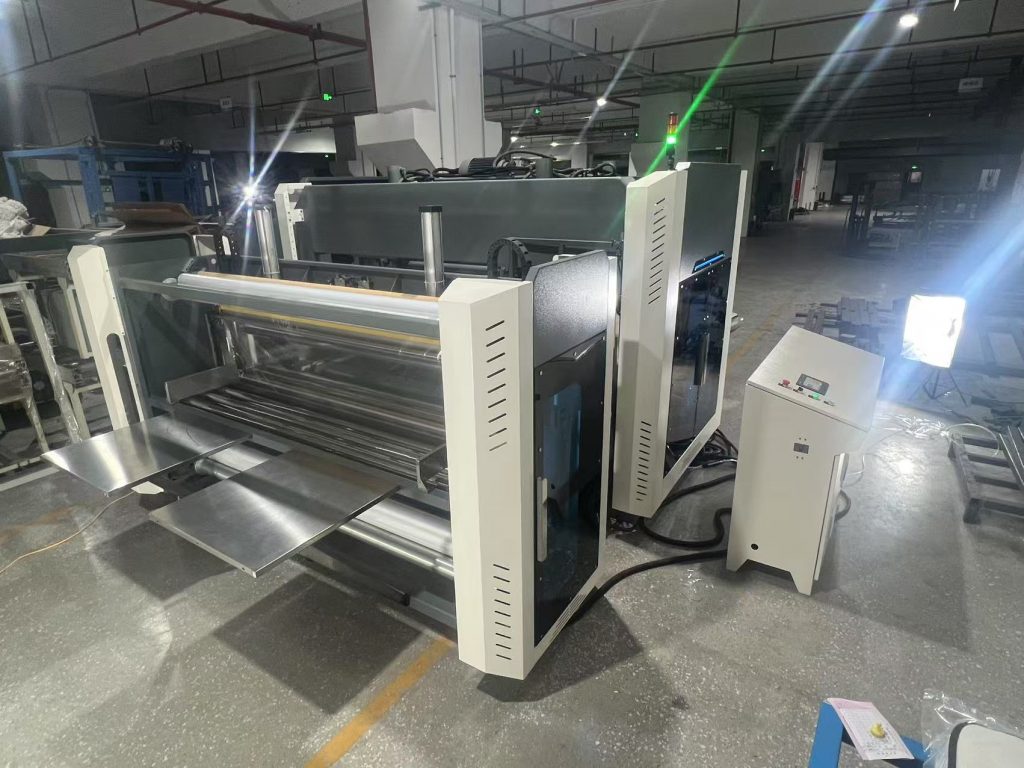
A mattress compression machine is a specialized piece of equipment used to compress mattresses (especially foam and hybrid mattresses) for storage, transport, or shipping. Compression machines are designed to reduce the physical size of a mattress by compressing it in a way that it can be easily rolled, vacuum-sealed, and packaged into a compact, manageable size. This process is especially useful for online mattress sales, where mattresses are often shipped in a compressed, boxed form.
1.Compression System:
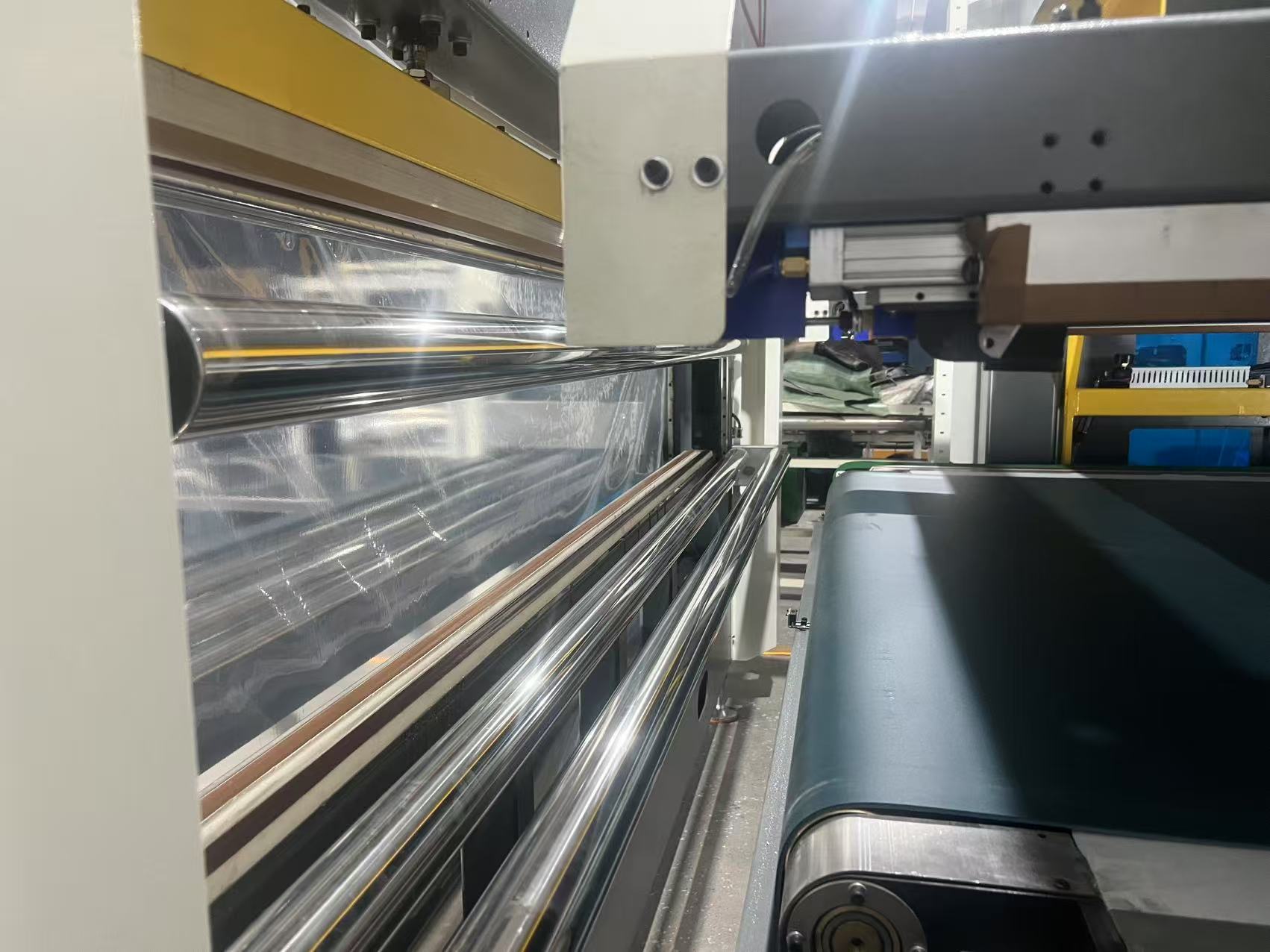
•The machine uses hydraulic or pneumatic pressure to compress the mattress evenly from all sides. Some systems use rollers to apply the necessary pressure, while others may use a vacuum to suck the air out of the mattress.
2.Size Reduction:
•The compression process reduces the height of the mattress while maintaining its structure. This makes the mattress easier to roll and wrap.
3.Rolling Mechanism:
•Some compression machines are designed to not only compress but also roll the mattress tightly after compression. This rolling step makes it easier to package the mattress into a smaller shipping box or container.
4.Vacuum Sealing:
•After compression, the mattress is often placed in a vacuum chamber where air is sucked out. This creates a tight, sealed package that prevents the mattress from expanding until it is opened by the customer.
5.Wrapping and Packaging:
•The mattress is then wrapped in plastic or shrink wrap for protection during transportation. The wrapping helps to keep the mattress compressed and protected from dirt, moisture, or damage.
1.Vertical Compression Machines:
•These machines compress the mattress vertically, typically using rollers or hydraulic presses. After compression, the mattress may be rolled into a cylindrical shape.
2.Horizontal Compression Machines:
•In these systems, the mattress is laid flat and compressed from both sides. This allows for even compression across the entire mattress surface.
3.Continuous Compression Systems:
•These are high-speed machines designed to process mattresses at a large scale. The mattress is continuously fed into the machine, compressed, rolled, and wrapped automatically.
4.Foam Compression Machines:
•Designed specifically for foam mattresses (like memory foam), these machines apply pressure and may also use heat to help the foam maintain its compressed shape.
Applications:
•Online Mattress Retailers: Most online mattress companies use compression machines to ship their products in boxes. This allows for easy home delivery and saves on shipping space.
•Storage & Transport: By compressing the mattress, the machine minimizes the volume, reducing storage space requirements and making it easier to transport in bulk.
•Efficiency in Production:
Mattress compression machines are integral to modern mattress manufacturing because they improve both efficiency and cost-effectiveness by reducing the size of mattresses for shipping.
•Space Efficiency: Compressing the mattress reduces its volume, making it easier to store and transport.
•Cost Reduction: By reducing the size of the mattress, shipping costs are lowered because more mattresses can be packed into a single container.
•Customer Convenience: Compressed mattresses are easier to handle, and they can be delivered in a compact box, making them easier to move into a customer’s home.
•Protection: The compression process, especially when vacuum-sealed, helps protect the mattress from environmental factors like dust, dirt, and moisture.
Considerations:
•Product Type: Some mattresses, like innerspring mattresses, may be more difficult to compress effectively compared to foam mattresses, which are more flexible.
•Compression Ratio: The compression ratio (how much the mattress is reduced in height) varies depending on the mattress material and machine specifications.
•Machine Size and Capacity: Compression machines come in various sizes, from smaller, manual units to large, automated systems designed for high-volume production.


 BE
BE  EN
EN  ZH
ZH  AZ
AZ  ES
ES  AR
AR 







 Links: