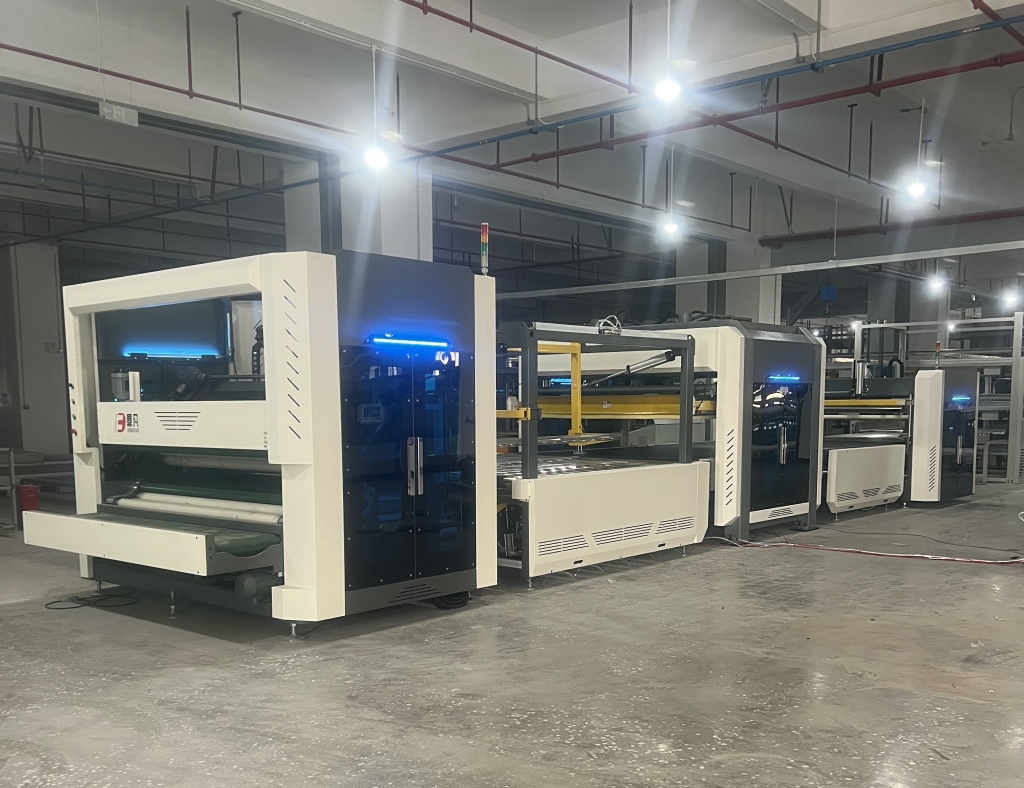
The mattress compressing and rolling machine is a set of automatic integrated machine which is easy to understand and easy to disassemble and easy to transport, The equipment has three functions of compression, heat sealing and packaging to reduce the cost; the outlet diameter is adjustable, and the mattress size is automatically recognized. According to the size of the mattress, the diameter of the package can be adjusted by itself, and the folding machine can be added according to the demand,and then folded and then wrapped to make the product look beautiful. High production efficiency, simple operation.short training period easy to replace operators.
Automatic mattress compression winding machine is a set of automatic integrated machinery, easy to operate and understand, easy to disassemble and assemble, convenient transportation; The equipment has three functions of compression, heat sealing and roll wrapping to reduce the cost. The outlet diameter can be adjusted, the size of sofa and mattress can be automatically identified, the rolling calibeican be adjusted according to the size of sofa and mattress, and the folding machine can be added according to the demand, and then the rolling bag can be folded to make the product appearance beautiful. High production efficiency, simple operation, short training cycle. easy to replace the operator.
A mattress roll packing machine is designed to compress and vacuum-seal mattresses for easy handling, shipping, and storage. These machines are typically used by mattress manufacturers or distributors to pack mattresses into a more compact form, usually rolled up, which saves on space and reduces shipping costs.
Here’s a general overview of how these machines work:
Key Functions of a Mattress Roll Packing Machine:
Compression:
The mattress is first compressed to reduce its volume. The machine applies pressure, often using rollers or a vacuum system, to compress the mattress into a smaller, more manageable size.
Vacuum Sealing:
Once compressed, the mattress is vacuum-sealed in a plastic bag. This helps to maintain the compact form during transport and prevents the mattress from expanding back to its original size.
Rolling:
After compression, the mattress is rolled tightly into a cylindrical shape. This step helps to save on storage space and makes the mattress easier to handle and transport.
Sealing:
The bag is then sealed (usually with heat or adhesive) to ensure that the mattress remains protected during shipping.
Packaging:
Some machines also apply a protective cover or additional outer packaging, depending on the specific design and needs of the manufacturer.
Mattress Manufacturers: To streamline the packing process.
Online Mattress Retailers: For easy direct-to-consumer shipping.
Wholesale Distributors: To reduce storage space and shipping costs.
Let me know if you need more specific information about a particular brand or type of machine!
A mattress compression machine is a specialized piece of equipment designed to compress mattresses for shipping and storage purposes. It reduces the size of the mattress by using controlled pressure to compress the layers of the mattress, typically rolling or folding it into a smaller, more compact form.
Here’s how a mattress compression machine generally works:
1.Preparation: The mattress is placed on a platform or into the machine’s compartment.
2.Compression: The machine uses hydraulic or mechanical force to press down on the mattress, significantly reducing its volume. Depending on the design of the machine, it may compress the mattress vertically or horizontally.
3.Sealing: After compression, the mattress is often vacuum-sealed in a plastic bag or wrapper to keep it compressed and protected during transport. The bag is usually shrink-wrapped to maintain the compact size.
4.Roll and Pack: In some cases, the mattress might then be rolled up to form a tightly packed “roll” that can be easily shipped or stored in tight spaces.
The benefits of using a mattress compression machine are significant for manufacturers, distributors, and retailers. It makes mattresses much easier to ship and store, saving on both shipping costs and storage space. It also makes delivery easier for consumers, as compressed mattresses can be shipped in smaller packages, often even arriving at the customer’s door in a box.
Do you need more specific information, like the types of compression machines or how they differ in their operation?








 AZ
AZ  EN
EN  ZH
ZH  BE
BE  ES
ES  AR
AR 
 Links: